

(Don't) Stick to Shorts: How Walt Disney Didn't Let the Words of Small People Keep Him Small
If it was unfamiliar, people rejected it.
That seemed to be a common theme in the story of Walt Disney’s life.
When he wanted to share his very first Silly Symphony with the world, no one wanted to distribute the macabre Skeleton Dance because they thought it too grim for general audiences. But Walt Disney believed in the work, so he premiered it himself in the Carthay Circle Theater in Los Angeles and the Fox Theater in San Francisco in 1929. Eventually, the short was picked up by Columbia after being proven successful with theater-goers, but reviews were mixed about the lighthearted skeletons rising from their tombs.
Variety magazine in New York published a review stating that The Skeleton Dance was high in its laugh count, but also warned that the short “all takes place in a graveyard. Don’t bring your children.” The Film Daily had a more glowing review, stating, “Here is one of the most novel cartoon subjects ever shown on a screen … it is a howl from start to finish.”
Silly Symphonies were meant to be a second source of revenue stream alongside Mickey Mouse, since the illustrators were limited in what they could do with Mickey in a way that they were not with the Silly Symphonies. The musical-based shorts were a place of experimentation for Disney, a medium where they could invent new techniques and ways of storytelling and not risk Mickey’s reputation along the way. When they first introduced color cartoons, it was with the 1932 Silly Symphony Flowers and Trees. As they developed dimensional technology with the new multi-plane camera, they experimented with it first in The Old Mill in 1937. Finding the parallax effect successful, it was then implemented in the first-ever full-length feature animation, Snow White and the Seven Dwarfs.
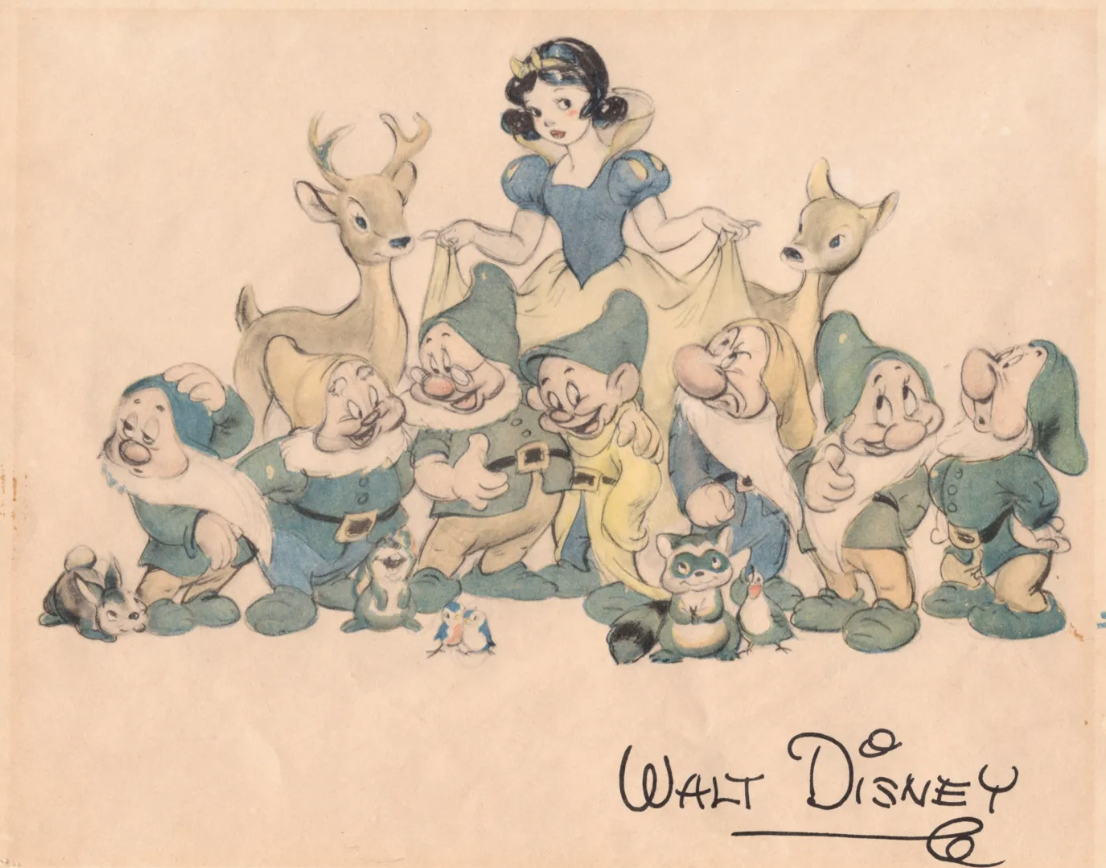
But Snow White was not a given success. Many called it “Disney’s folly” because they believed no one would want to sit through a full-length “children’s cartoon.” Walt was even unsure of its reception, as there was some mixed feedback about the film in the preview process. During an early screening of the movie, some people got up and walked out of the film. He later learned that those people had somewhere to be that was unrelated to the movie, but Walt panicked. What if everyone did that on premiere night?
Want to keep reading?
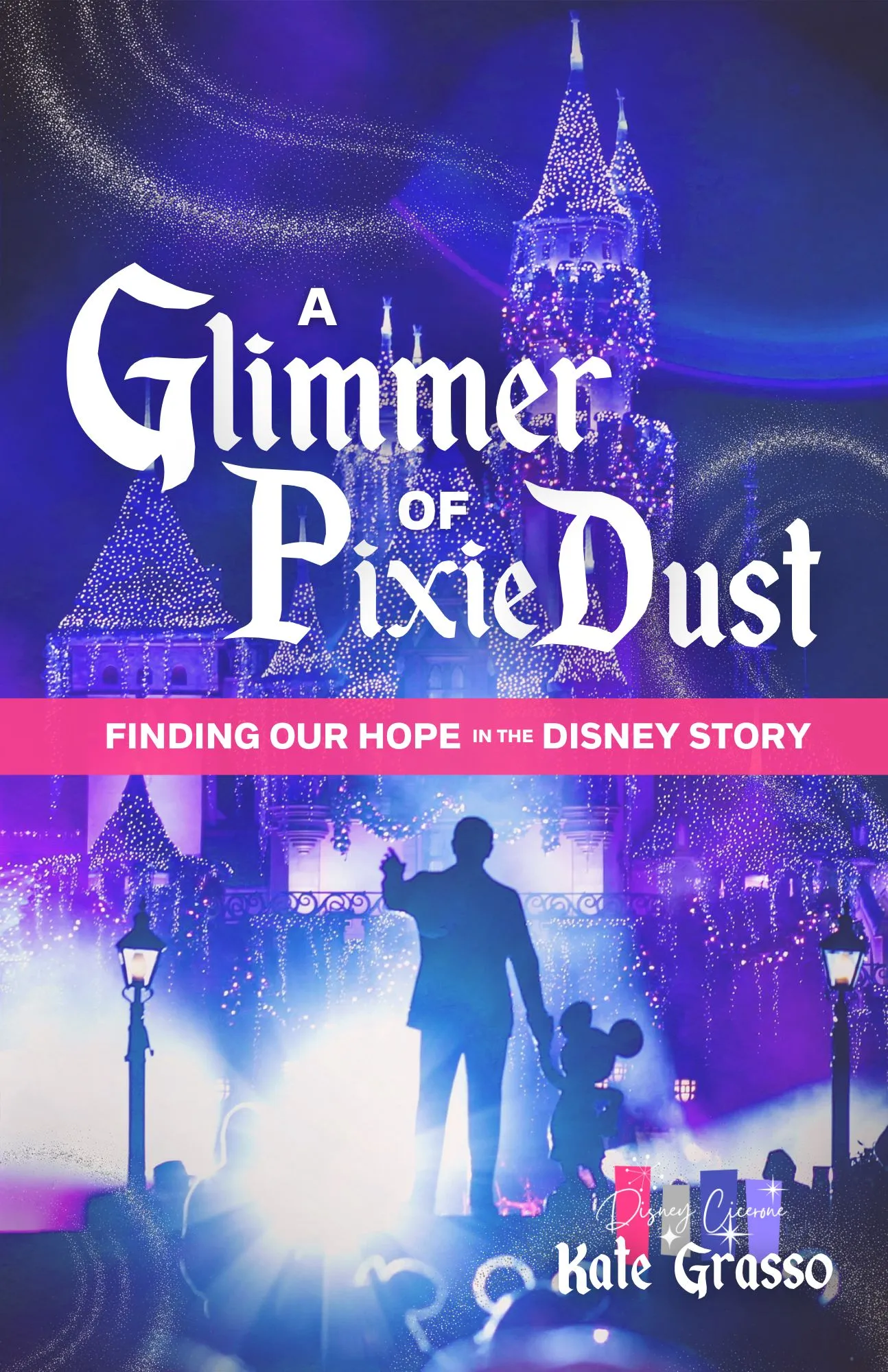
This is an excerpt from my book A Glimmer of Pixie Dust: Finding Our Hope in the Disney Story, written to give hope and inspiration for anyone walking through a difficult season. My Substack subscribers can read this exclusive preview chapter today!
If you or someone you know could use a little extra Disney magic these days, you can find A Glimmer of Pixie Dust in my bookstore HERE.